Table of Contents
- Shabby Fabrics vs Connecting Threads: A Quick Comparison
- Quilting Fabric Quality Comparison: What the Numbers Show
- Pricing and Value: Is Connecting Threads Actually Cheaper?
- Backing Fabric Options: Wideback Selection at Both Stores
- Shipping, Customer Service, and Consumer Reviews
- Beyond the Two: Best Online Quilting Fabric Stores for 2026
- Yaya Han Fabric and Specialty Textiles: Where to Source Them
- Conclusion: Which Store Fits Your Quilting Project?
- Frequently Asked Questions
Last Updated: September 26, 2026
Shabby Fabrics vs Connecting Threads: A Quick Comparison
Connecting Threads holds a 4 out of 5 TrustScore across roughly 7,000 customer reviews, according to Trustpilot's retailer review data, while Shabby Fabrics competes on curated design collections rather than volume pricing. That single split explains most of the shabby fabrics vs connecting threads review question: one store wins on price and wideback yardage, the other on boutique print selection.
Here is the short version before the detail:
| Factor | Connecting Threads | Shabby Fabrics |
|---|---|---|
| Pricing model | Volume and clearance driven | Curated collections, higher per-yard |
| Fabric strength | Proprietary prints, broad basics | Designer and novelty prints |
| Wideback range | Expanding 108-inch selection | Limited compared to basics |
| Best for | Budget yardage, stash building | Specific collection matching |
| Review sentiment | Mixed, strong on value | Mixed, strong on selection |
Quilting Fabric Quality Comparison: What the Numbers Show
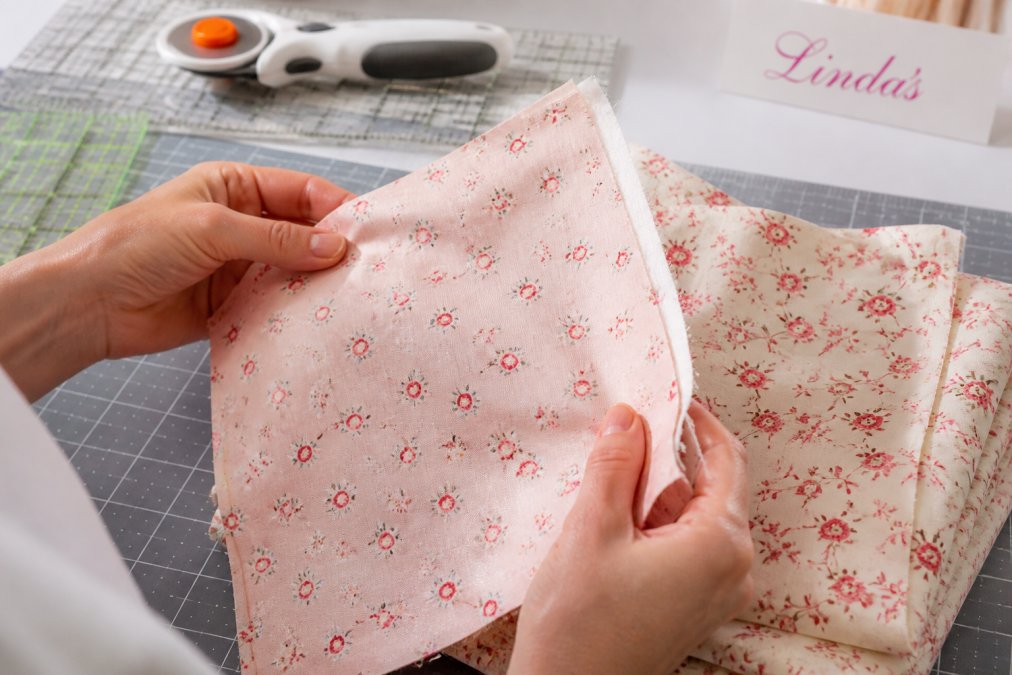
Quilting fabric quality comes down to four measurable things: thread count, weave density (GSM), shrinkage, and color fastness.
Thread Count, Weave Density, and GSM
Thread count is the number of threads per inch in each direction. Most quilting cotton sits between 60 and 80 threads per inch per direction, producing the tight, low-lint weave quilters want. Connecting Threads publishes thread count on many cotton basics; Shabby Fabrics carries comparable cotton from established mills, so the technical gap is smaller than the price gap.
| Fabric tier | Typical thread count | Typical GSM | Hand feel |
|---|---|---|---|
| Budget quilting cotton | 60 x 60 | 110-125 | Thin, prone to bearding |
| Standard quilting cotton | 68 x 68 to 78 x 78 | 125-145 | Smooth, slightly stiff off the bolt |
| Premium / designer cotton | 78 x 78 and up | 140-160 | Dense, low-lint, holds a press |
Shrinkage Rate Testing: What to Expect After the First Wash
Shrinkage is the most under-reported number in quilting fabric reviews. Unwashed quilting cotton typically shrinks 3-5% after a hot wash and hot dry; pre-washed cotton lands at 1-3%.
- Cut a 10-inch square and mark the exact dimensions with a fabric marker.
- Wash it cold on a normal cycle with a color catcher.
- Tumble dry low, then press flat without stretching.
- Measure again. Divide the difference by the original measurement to get your shrink rate.
Color Fastness and Long-Term Aging
Color fastness is where cheap fabric fails. Low-quality prints bleed into light backgrounds after three or four wash cycles. Neither store sells at that tier, but the aging curve still differs.
- Standard-tier cotton: colors hold, but whites yellow slightly and dark prints develop a soft halo at fold lines.
- Premium-tier cotton: colors hold with minimal fade, and the weave tightens up after the first few washes rather than loosening.
- Budget cotton: visible fade on saturated reds and purples within 18 months, plus pilling along quilted seams.
Pricing and Value: Is Connecting Threads Actually Cheaper?
Connecting Threads is cheaper on comparable cotton basics, and the gap widens on clearance and wideback yardage. Their model relies on proprietary prints and volume pricing, which is why stash-building quilters default to them. Shabby Fabrics prices closer to full retail because you pay for designer collection access.
| Buying Scenario | Connecting Threads | Shabby Fabrics |
|---|---|---|
| Stash-building basics | Strong value | Limited basics |
| Matching a designer collection | Hit or miss | Strong |
| Wideback yardage | Expanding selection | Narrower |
| Clearance hunting | Frequent | Occasional |
Backing Fabric Options: Wideback Selection at Both Stores
Wideback fabric is the single biggest practical difference between these two stores, and it is also the category where the math matters most. Retailers across the market are expanding 108-inch backing selections to meet quilter demand, according to a 2026 Connecting Threads delivery review, and Connecting Threads has moved faster on that trend than Shabby Fabrics.

Why 108 Inches Is the Number That Matters
Standard quilting cotton comes 42-44 inches wide; a queen quilt top is roughly 90 x 108 inches. Backing it with 44-inch fabric means three vertical panels and two long seams running the full length. Those seams:
- They add bulk at the seam line, which the long-arm needle has to climb over on every pass.
- They distort quilting lines, because the backing shifts differently on either side of the seam.
- They show through the finished quilt, especially on light batting or light thread.
A quick sizing rule:
| Quilt size | Top dimensions | Backing needed at 108" wide |
|---|---|---|
| Throw | 50 x 65 | 1 length, no seam |
| Twin | 70 x 90 | 1 length, no seam |
| Queen | 90 x 108 | 1 length, no seam |
| King | 110 x 108 | 1 length plus a side strip |
What Each Store Actually Stocks
Shabby Fabrics stocks widebacks, but the range leans toward specific collections rather than a deep basics library. For a queen or king quilt that limits your options fast, the perfect print may only exist in a collection that sold out months ago.
Red Wideback Shabby Cherry Fabric Per →
Backing Construction: Pieced vs. Wideback vs. 120-Inch
There are three real options, depending on quilt size and finish:
- Pieced backing (42-44" fabric): Cheapest per yard, most print options, worst for long-arm quilting. Only worth it for throws and wall hangings.
- 108-inch wideback: The default for queen and king quilts. Eliminates the center seam, works with any long-arm setup, and gives you a clean back.
- 120-inch wideback: Best for king quilts and oversized throws. The extra width lets you avoid side strips entirely, which matters if you are quilting edge-to-edge.
Shipping, Customer Service, and Consumer Reviews
Consumer reviews for both stores are mixed once you read past the average. Connecting Threads' 4 out of 5 TrustScore hides a real spread: some Trustpilot reviews sit at 2 out of 5 stars, usually citing order accuracy or customer service response times rather than fabric quality. Shabby Fabrics shows a similar pattern, praise for selection, complaints about backorders.
Beyond the Two: Best Online Quilting Fabric Stores for 2026
The best online quilting fabric store for 2026 is the one that matches your project's specific demand: volume basics, a designer collection, or wideback yardage. Market analysis from Linda's Electric Quilters' retail overview shows a clear shift toward retailers offering expert-curated design groups rather than endless raw inventory.
Here is how to choose between the three paths:
- Volume basics and stash building: Connecting Threads, if price per yard is your deciding factor.
- Specific designer collections: Shabby Fabrics, if you need an exact print line.
- Full-project sourcing with support: Linda's Electric Quilters, if you want fabric, batting, and notions from one place with free shipping on batting rolls.
Yaya Han Fabric and Specialty Textiles: Where to Source Them
Yaya Han fabric is a cosplay and specialty textile line known for stretch fabrics, brocades, and costume-grade prints, and it sits outside standard quilting cotton sourcing. Neither Connecting Threads nor Shabby Fabrics carries it as a core category.

Conclusion: Which Store Fits Your Quilting Project?
The shabby fabrics vs connecting threads review question has a clear answer depending on what you are making. Connecting Threads wins on price per yard and expanding wideback basics; Shabby Fabrics wins when you need a specific designer collection and will pay for it. Neither is the best single source for a full large-scale project.
Frequently Asked Questions
Is Connecting Threads a good brand for quilting fabric?
Connecting Threads holds a 4 out of 5 TrustScore on Trustpilot based on roughly 7,000 customer reviews, which points to solid overall satisfaction. Their proprietary fabric lines are a draw for quilters who want curated designs at competitive prices. Some recent reviews show lower ratings (2 out of 5 stars) in certain periods, so quality can vary by collection. Overall, most quilters find the fabric performs well for everyday projects, especially when price matters more than specialty weaves.
How does fabric quality compare between Shabby Fabrics and Connecting Threads?
Both stores carry quilting cotton that works for standard projects, but the quality comparison comes down to specific lines. Connecting Threads focuses on proprietary collections with consistent thread count and weave density. Shabby Fabrics leans toward curated designer prints and kits. For quilters doing large-scale quilts or long-arm quilting, checking thread count, shrinkage rates, and color fastness matters more than the store name. Request swatches or read recent consumer reviews before committing to yardage.
What should quilters look for when choosing an online fabric retailer?
Start with fabric weight and thread count, since these affect drape, hand feel, and durability. Check whether the store publishes shrinkage rates and washing instructions. Look at shipping reliability and return policies, especially for wideback fabric that arrives creased. Read recent consumer reviews for patterns in complaints. Finally, confirm the retailer stocks the yardage and selvage width you need. A store with 108-inch backing fabric saves piecing time on large quilts.
Are there significant differences in shipping and customer service between these shops?
Shipping speed and customer service vary by order size and location. Connecting Threads offers standard shipping with occasional free-shipping thresholds, and their podcast and blog provide project support. Shabby Fabrics is known for curated kits and pre-cuts, which can simplify ordering but may limit yardage flexibility. For either store, check current shipping policies before placing a large order, and read recent reviews about packaging quality, since batting and wideback fabric need careful handling to avoid creases.
Does Connecting Threads sell their own brand of fabric?
Yes. Connecting Threads sells proprietary fabric lines alongside other brands. This means you can find coordinated collections that are harder to source elsewhere. Their in-house designs often target quilters who want affordable pricing and curated colorways. If you prefer specific designer prints or need Yaya Han fabric for cosplay or specialty projects, you will need to source from a retailer that stocks those lines. Always verify the fabric weight and fiber content before ordering.