Buying fabric online used to feel risky. Today, it feels overwhelming.
Try searching “where can I buy calico quilt supplies online” and you’ll get hundreds of results. This ranges from large retailers to independent quilt boutiques, and even Marketplace sellers.
But here’s a quick fact: Calico quilt fabric products vary in quality.
The same can be said about the shops that sell them.
In this guide, we teach you how to distinguish quality when you’re purchasing calico quilt supplies online.
You’ll also learn:
-
What makes calico fabric great for quilting
-
What’s the difference between calico fabric and quilting cotton
-
What types of calico quilt supplies online are available
-
How to choose the best online calico fabric shops
We cover these important topics and provide you with the guidance you need to buy well, regardless of the retailer you choose.
What Is Calico Fabric?
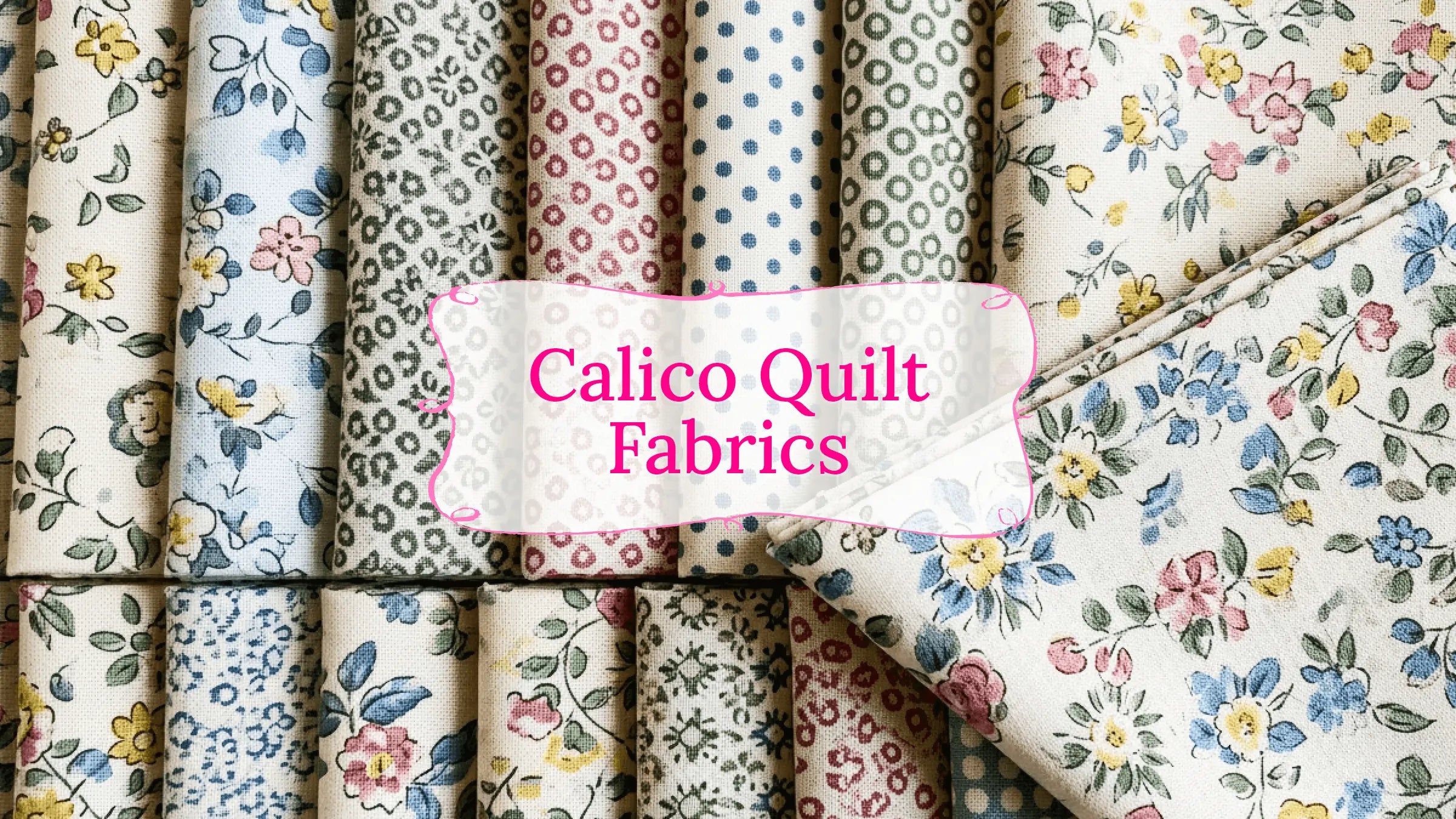
Calico fabric is a plain-woven cotton fabric with small, repetitive print patterns. It often has florals, dots, or miniature geometric designs. The term originated from cotton textiles produced in Calicut (India) centuries ago.
Today, it’s widely used in quilting to describe:
-
100% cotton construction
-
Plain weave
-
Small-scale printed motifs
-
Matte surface finish
-
Medium quilting weight
However, modern labeling can blur the lines. Some sellers use “calico” to describe any small-scale quilting print. Others use it as a marketing term for budget cotton.
For quilters, calico quilt fabric is valued for:
-
Blending capability in patchwork
-
Vintage look
-
Balanced contrast in block construction
-
Reliable piecing stability
Understanding the true definition helps you evaluate listings as you shop for calico quilt products.
Is Calico Fabric Good for Quilting?
Advantages of Calico Quilt Fabric
Breathable cotton fiber
Cotton remains the gold standard for quilting due to softness and durability.
Affordable price point
Calico fabric by the yard is often more affordable than designer quilting collections.
Small-scale print versatility
These prints act as “blenders” in scrap quilts and traditional designs.
Ease of cutting and piecing
Plain weave cotton provides stability for straight seams.
Potential Disadvantages
Weight inconsistency
Some lower-cost calico can feel thinner than premium cotton.
Stiff finish initially
Budget calico may feel crisp until washed.
Shrinkage variation
Cotton typically shrinks 3 to 5%, but finishing processes vary.
That said, calico quilt fabric is excellent for:
-
Patchwork blocks
-
Vintage-style quilts
-
Backings (with correct weight)
-
Practice quilts
-
Scrap layouts
So, is calico good for quilts? It is when you verify construction quality.
Calico vs Quilting Cotton — What’s the Difference?

In many quilting fabric shops online, calico is technically quilting cotton. The difference often lies in print style and positioning.
To understand this better, we compare calico fabric vs quilting cotton here:
|
Feature |
Calico |
Quilting Cotton |
|
Fiber |
Traditionally 100% cotton |
100% cotton |
|
Weave |
Plain weave |
Plain weave |
|
Print scale |
Often small-scale, dense prints |
Wide variety (modern, large-scale, solids) |
|
Weight |
Can vary slightly |
More standardized (medium weight) |
|
Finish |
Matte, sometimes crisp |
Softer hand, sometimes higher thread count |
|
Price |
Often lower |
Mid to premium |
What to Look for When Buying Calico Quilt Supplies Online

1. Fabric Weight
Unlike standard quilting cotton, calico does not have a fixed industry weight. GSM or ounces per square yard aren’t consistent. In practice, lightweight calico is thinner. It may be prone to stretching and misaligned seams. Medium-weight quilting cotton labeled as calico provides better block stability. It also maintains crisp seams during sewing.
2. Weave Density
Weave tightness determines fabric behavior. A tight weave ensures durability and simplifies piecing. Meanwhile, a loose weave causes distortion and uneven seams. In turn, it may result in a shorter quilt lifespan.
3. Print and Color Saturation
When buying online, pay attention to clarity of the print. High quality calico fabric has crisp lines. In comparison, low-cost calico fabrics often have uneven dye lots. This may lead to noticeable variation between yards or bundles.
4. Fiber Content
When selecting calico quilt fabric, understanding fiber composition is a must. Traditional calico is known for its breathability and soft hand. In comparison, blended cotton is durable. However, they affect how the fabric behaves. Blends feel stiffer or less forgiving when folding and pressing. They also resist precise piecing, which leads to slightly misaligned blocks.
5. Shrinkage Expectations
Cotton calico can shrink slightly after the first wash by up to 3 to 5%. Pre-washing is highly recommended to prevent distortion of quilt blocks. Blends usually shrink less, but may behave differently.
Make sure to read care instructions for washing and drying guidelines.
6. Product Photography
High-quality photos are your window into the fabric. Beware of low-resolution images. They make print clarity impossible to judge. Contact the seller for more information when online images are bad.
7. Pricing and Value
Buying the cheapest option can be tempting. However, extremely low prices may indicate poor quality. Invest slightly more in a reliable calico fabric. This will make piecing easier. Plus, you can achieve a more polished look for your project.
Types of Calico Quilt Supplies You Can Buy Online

When checking out calico fabric shops online, you’ll find several purchasing formats:
Yardage
Best for:
-
Full quilts
-
Backings
-
Custom layouts
-
Business production
-
Most flexible option.
Fat Quarters
Pre-cut 18” x 22” pieces.
Ideal for:
-
Scrap quilts
-
Beginners
-
Color exploration
Pre-Cuts
Includes:
-
Charm packs
-
Layer cakes
-
Best for quilters who want speed and coordination.
Bundles
Curated collections of calico quilt fabric.
Best for:
-
Balanced color palettes
-
Small businesses
-
Gift sets
Coordinated Quilt Sets
Some retailers offer:
-
Matching backing
-
Binding suggestions
-
Pre-planned layout kits
Ideal for beginners wanting structure.
Best Online Calico Quilt and Fabric Shops
Your best sources for calico quilt fabrics are usually:
Dedicated Quilt Shops
These sellers often have a well-curated inventory. Moreover, they provide clear fiber content information and accurate fabric descriptions. Some also offer educational resources and project ideas.
Pricing usually falls in the mid-range. This reflects their emphasis on quality and reliability. These shops are ideal for buyers who prioritize consistency and accurate specifications.
Large-Scale Fabric Retailers
High-volume stores carry products at competitive prices. Their scale also allows them to offer sales and discounts. Plus, they often have a broad selection in various colors and styles. However, quality varies between sellers. These retailers are recommended for budget-conscious buyers.
Independent & Artisan Fabric Sellers
Smaller calico fabric shops offer niche collections and curated prints. Some also sell ethically sourced materials. These sellers have a strong product knowledge. So, customer service tends to be more personal.
On the downside, they often have limited stocks. Dye lots may be smaller or inconsistent for large projects. These sellers are best for quilters creating distinctive quilt designs.
Online Marketplaces
Marketplace platforms sometimes list calico fabric by the yard at very attractive prices. However, there are some risks. For example, be warned about mislabeled listings. Fiber content may not match the description. Quality control standards may also be low.
When purchasing from online marketplaces, read detailed product information. Confirm fiber composition before committing to larger quantities. Also, verify seller ratings and check out customer reviews.
How to Avoid Low-Quality Calico Fabric Online

As you learn how to choose calico fabric online, watch out for these red flags:
Misleading Product Descriptions
Vague or generic descriptions are one of the biggest warning signs. Proceed with caution if a listing simply says “calico fabric” without specifying fiber content, fabric width, or weave type.
Low-Resolution or Overly Edited Images
A single low-resolution image makes it hard to determine print scale, weave tightness, or color accuracy. Even more concerning are heavily filtered images that misrepresent the product. Consistency matters, especially when you’re coordinating multiple fabrics.
No Fiber Information
Think twice if a listing does not state if the fabric is 100% cotton. In some cases, the seller may not specialize in quilting fabric.
Suspiciously Low Prices
When prices seem far below market average, it deserves scrutiny. Extremely low costs often indicate lower thread count or looser weave construction. Worse, blended fibers may be marketed as pure cotton.
Inconsistent Dye Lots
Dye lot consistency is critical when piecing quilts. This is particularly true for repeated prints. Marketplace or large bulk resellers may not track dye lots with great care. The same fabric ordered twice could arrive in slightly different shades.
Shipping, Returns, and Fabric Accuracy
Fabric shopping is very different from buying clothes online. Clothing can usually be returned if it doesn’t fit or match expectations. Cut fabric, however, often cannot be resold once it leaves the bolt.
That said, most quilt shops treat cut yardage as final sale unless it’s defective. When buying online, you’re committing to material you haven’t touched. So, review policies and product details beforehand.
The Importance of Return Policies
Return policies deserve close attention. Many sellers only accept returns on uncut yardage or within a short window. Clear policies signal professionalism and transparency. Steer clear of sellers with overly restrictive terms without explanation.
The Reality of Color Variance
Small shifts in shade are normal when ordering fabric online. Screen settings vary. Even legitimate dye lots may have slight tonal differences.
Reputable shops reduce surprises by providing multiple photos, natural lighting shots, and scale references to show print size and detail.
International vs Domestic Shops
Expect longer shipping times and a harder return process when you’re ordering from international shops. In some cases, you may also have to shoulder additional custom fees.
Meanwhile, domestic retailers typically provide faster fulfillment and simpler returns. Delivery timelines are also more predictable.
Buying Calico Quilt Fabric for Beginners
Here are some practical suggestions for new quilters:
Safe Starting Choices
-
Choose 100% cotton calico for easy pressing.
-
Look for medium-weight quilting cotton with a tight weave.
-
Buy from reputable fabric shops online with clear product specs.
-
Start with well-described products that list width and care instructions.
Recommended Cuts for Beginners
-
Order small yardage first before buying bulk.
-
Purchase fat quarter bundles to test coordinated prints.
-
Use fat quarters for small projects (sampler blocks or practice quilts).
Mistakes to Avoid
-
Do not buy cheap bulk listings priced far below standard quilting cotton.
-
Skip unlabeled fiber blends unless clearly intentional.
-
Be cautious of unclear product descriptions or missing fabric specifications.
-
Avoid listings with limited or low-quality photos.
Washing and Preparation Tips
-
Pre-wash if you’re concerned about shrinkage or dye bleeding.
-
Wash in cool water with mild detergent before cutting.
-
If you pre-wash one fabric in a project, pre-wash all fabrics for consistency.
-
Press and square fabric after washing to maintain cutting accuracy.
Frequently Asked Questions
Is calico fabric always cotton?
Yes, most calico fabric is 100% cotton. However, take note that modern listings loosely use the term “calico” sometimes. You may encounter cotton-polyester blends or other mixed fibers being sold as “calico.” Always check the fiber content in product descriptions before purchasing.
Does calico shrink more than quilting cotton?
Not necessarily. Most calico used for quilting is a type of quilting cotton. Shrinkage rates are typically similar. Generally, it depends more on the finishing process and weave tightness. Another factor is whether the fabric was preshrunk by the manufacturer or not. In any case, lower-quality fabrics with looser weaves often shrink or distort more. Pre-washing can help control and measure shrinkage before cutting your quilt pieces.
Can calico be used for quilt backing?
Yes, calico can be used for quilt backing. This applies as long as the weight and width are appropriate for the project. Standard quilting cotton may require piecing to fit larger quilts. For bigger projects, some quilters prefer wide-back fabric to reduce seams.
Make sure the calico you choose has a durable weave. The backing fabric experiences regular wear and washing. Coordinating the backing weight with the quilt top ensures greater longevity and a more balanced drape.
Is calico fabric washable?
Yes, calico fabric is washable. In general, they’re easy to care for. Most 100% cotton calico can be machine washed using mild detergent. Moreover, cold water can help preserve fabric color. Tumble dry on low or air dry to minimize stress on the fibers. Always follow specific care instructions provided by the manufacturer, if any.
Why do calico prices vary so much online?
Calico pricing differences reflect several quality factors. Thread count and weave density affect durability and softness. The dye process (such as reactive dyes versus lower-cost printing methods) impacts colorfastness and vibrancy. Brand reputation, licensed prints, and manufacturing origin also influence cost. While lower prices can be appealing, extremely cheap fabric may sacrifice overall quality and durability.
Conclusion
Buying calico quilt supplies online doesn’t have to be hard. Once you understand what calico fabric for quilting is and how it should perform, the process becomes straightforward. The uncertainty usually comes from inexperience, not from the fabric itself.
Smart buyers focus on the details that matter most. Always gather information about fiber content, fabric weight, and weave density. Determine store policies before purchasing any fabric or supply. Those factors matter far more than brand names or flashy marketing. A polished product page doesn’t always guarantee quality. It’s always better to pick sellers with transparent information about returns, exchanges, or refunds.
Price alone shouldn’t drive your decision either. Thread count, dye consistency, and accurate descriptions determine how well your quilt will hold up over time. When you evaluate calico using clear criteria instead of hype, you eliminate guesswork. And when you eliminate guesswork, you can buy with confidence.