The Biggest Thread Mistake We See Every Week – Morning with Corey

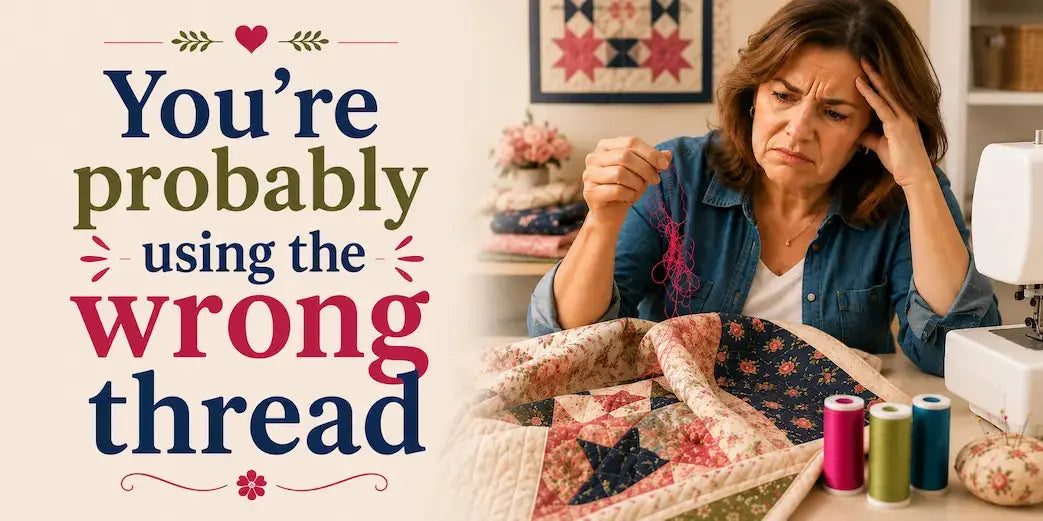
Every week, we hear from quilters frustrated by thread breaks, excess lint, tension issues, or stitching that just doesn't look quite right.

The surprising part?

Most of the time, the problem isn't the machine. It's the thread.

Explore Thread Deals →

Just like you wouldn't use the same needle for every project, you shouldn't use the same thread for every sewing task. The right thread can make stitching smoother, cleaner, and more enjoyable from start to finish.

That's why we put together this quick guide for you.
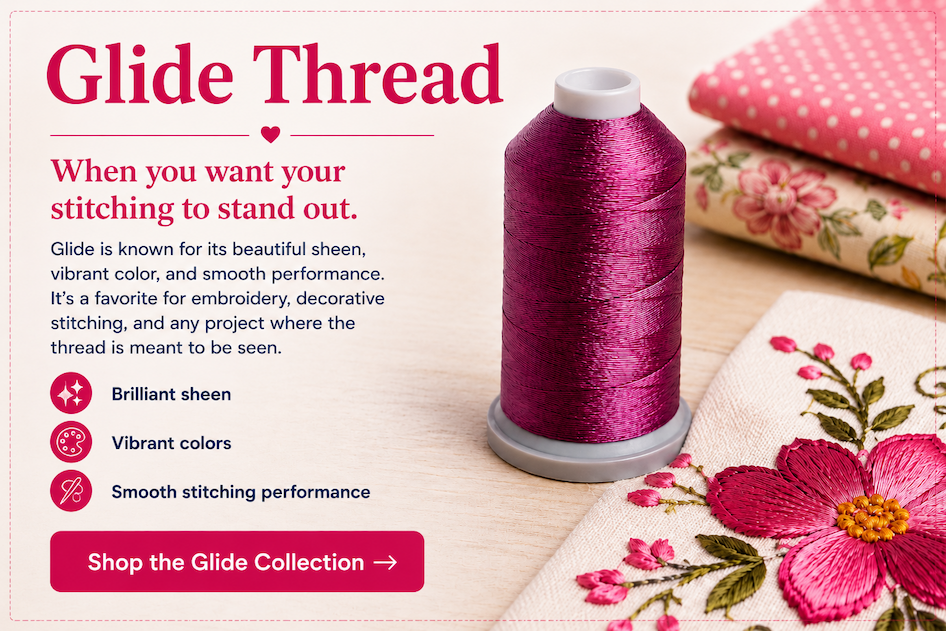
Glide thread guide

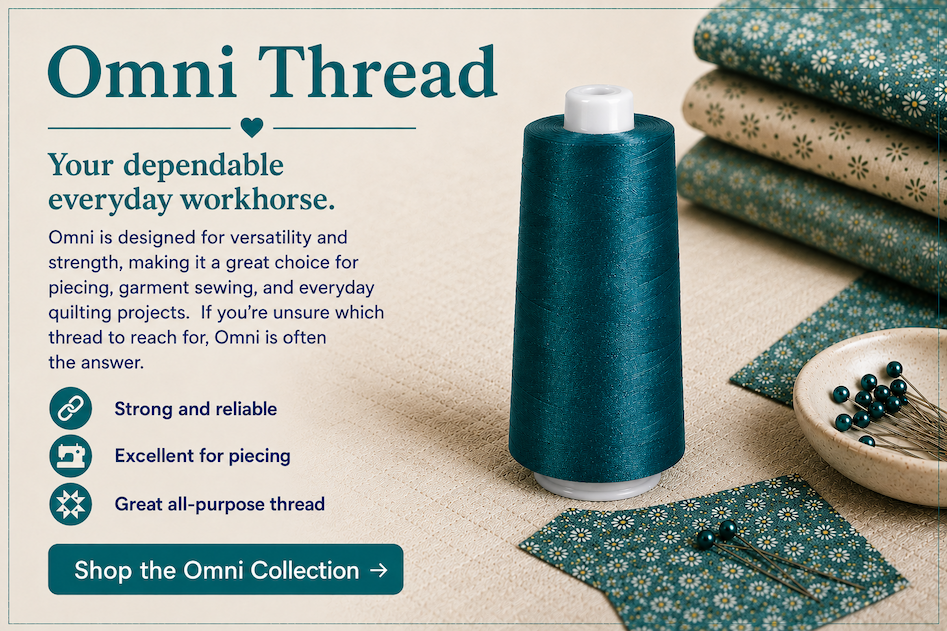
OMNI thread guide

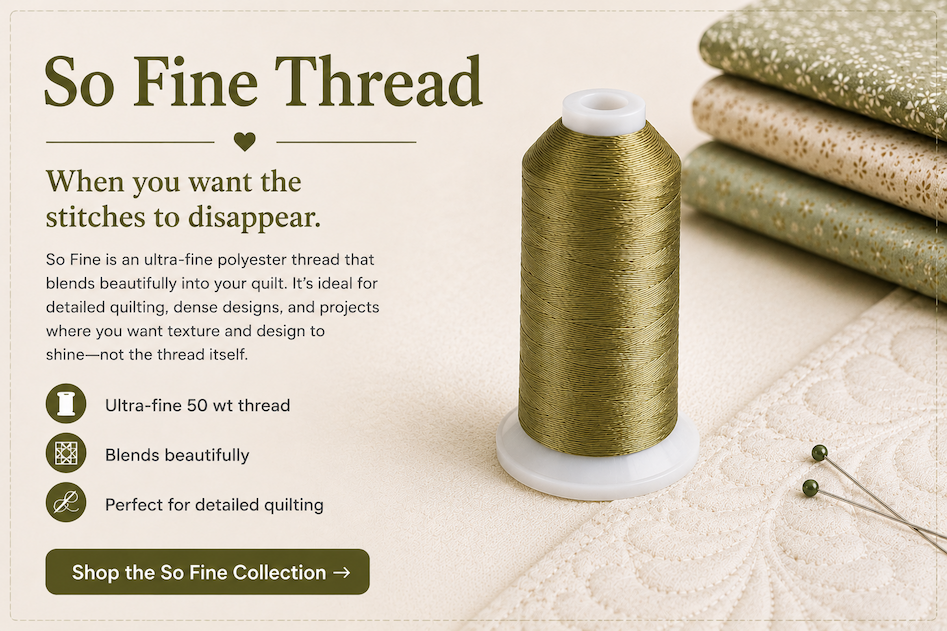
So Fine 50 thread guide

Find Your Perfect Thread →

The Bottom Line

A beautiful quilt starts with great fabric and great craftsmanship. But the thread matters more than most quilters realize.

Choosing the right thread for the job can mean fewer frustrations, better stitch quality, and results you'll be proud to show off.

Happy Quilting!

— Corey

Frequently Asked Questions

What is the most common thread mistake in quilting?

Using the wrong thread weight for the job. Piecing, quilting, and binding each put different demands on thread, and a mismatch causes tension problems, breakage, and stitching that either disappears or overwhelms the design.

What do thread weight numbers mean?

The higher the number, the finer the thread: 50wt is fine and blends into seams, 40wt is slightly heavier and shows stitch definition, and 28-30wt is bold enough for decorative topstitching.

Can I use the same thread in the needle and bobbin?

Usually yes, and it's the easiest way to balance tension. Many longarmers pair a 40wt top thread with a finer 60wt bobbin thread to reduce bulk, but matching weights is the safest starting point.

Related on Lindas.com:Shop Thread →